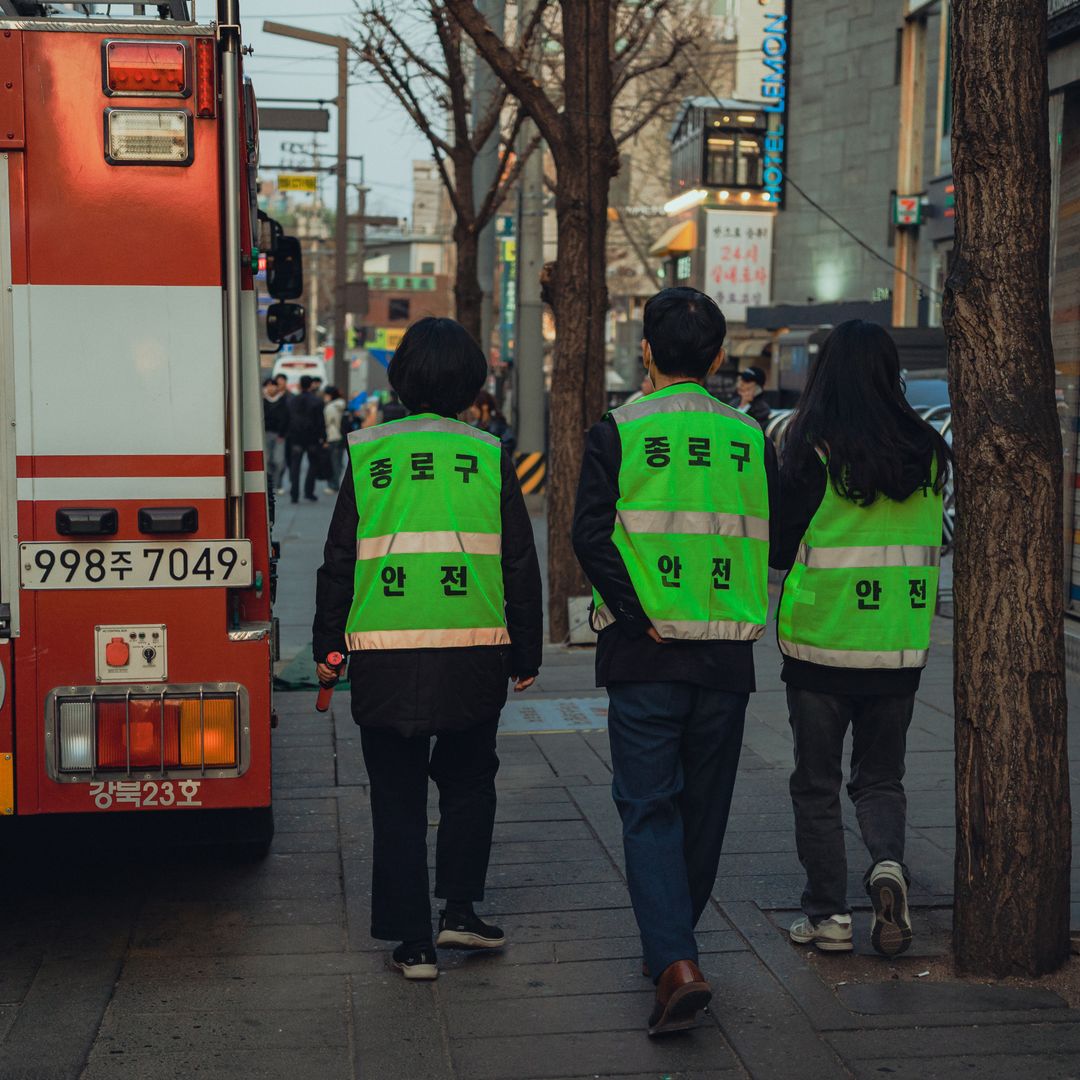
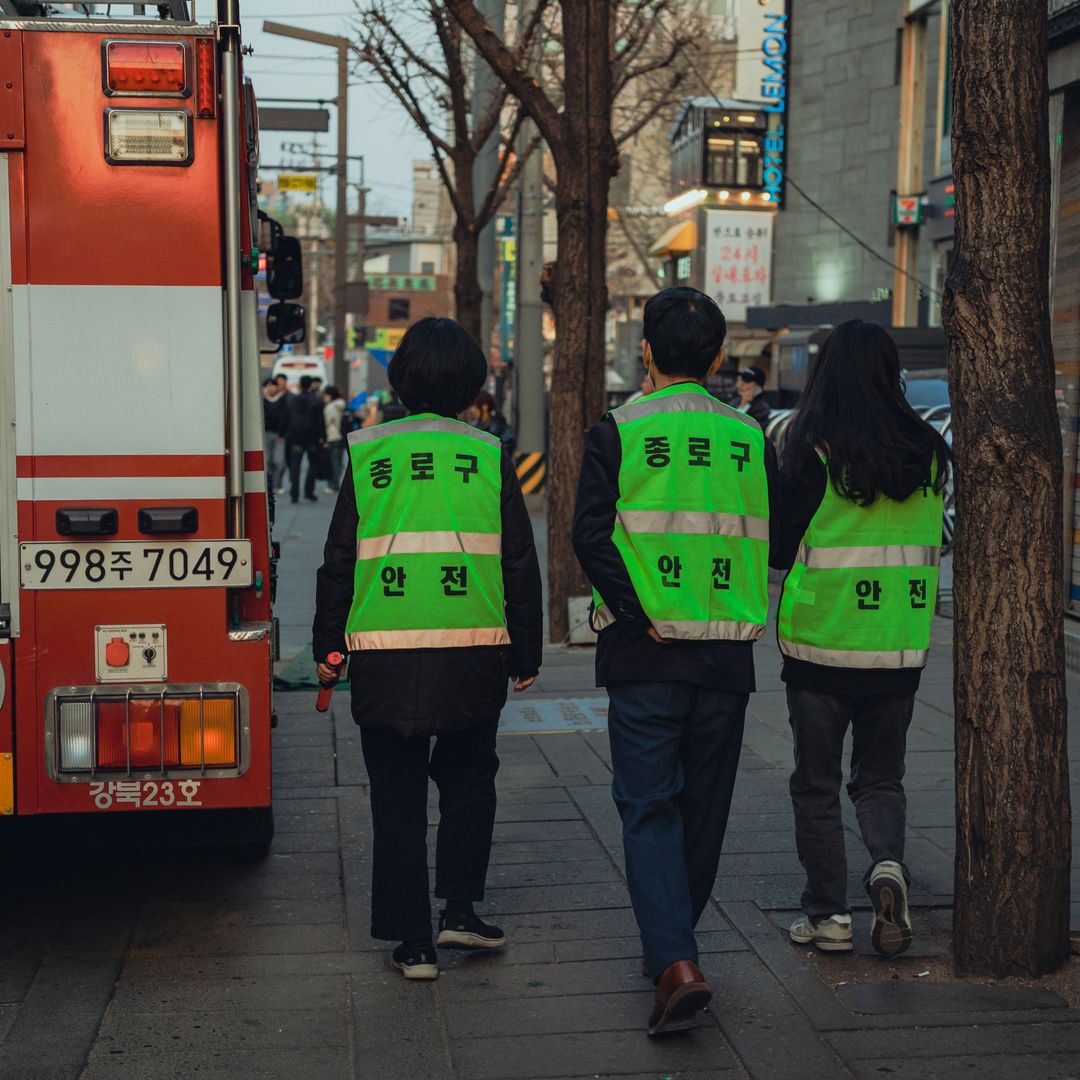
Academic and Professional Framework for Emergency Management
Pursuing an academic track related to a 소방관 (firefighter or emergency management professional) in South Korea requires careful alignment with national educational standards. International candidates must understand how emergency services training and degree programs integrate within higher education institutions across the country.
Understanding these institutional pathways ensures that foreign applicants meet both university admission benchmarks and relevant professional criteria. Academic departments focusing on fire science and disaster prevention prepare students for advanced administrative and operational roles.
Candidate Criteria and Academic Backgrounds
Applicants seeking entry into emergency management or fire science faculties must satisfy specific educational benchmarks established by the Ministry of Education Korea (Ministry of Education Korea). High school graduation or an equivalent international credential is the baseline requirement for undergraduate tracks.
Graduate applicants need a recognized bachelor degree in a related scientific, engineering, or public safety discipline. Universities evaluate each candidate based on previous academic transcripts and relevant professional experience.
Language Proficiency and Linguistic Prerequisites
Instruction in Korean universities typically requires verified language proficiency to ensure comprehension of complex technical terminology. Prospective students must achieve acceptable scores on standardized language evaluations before final enrollment.
- TOPIK: Most undergraduate and graduate programs require a minimum Level 3 or Level 4 certification for entry.
- English-Taught Tracks: Certain international departments accept IELTS or TOEFL scores when Korean proficiency is not mandatory.
- Preparatory Language Institutes: Students can enroll in intensive language courses on campus to reach the required linguistic competency.
- Institutional Assessment: Individual departments may administer internal language screenings during the application review window.
Application Schedule and Intake Periods
South Korean universities operate on a standardized academic calendar with two primary admission cycles each year. Managing application timelines correctly prevents missed deadlines and administrative delays.
| Semester Intake | Application Window | Term Start Date |
|---|---|---|
| Spring Semester | September to November of the prior year | Early March |
| Fall Semester | May to June of the current year | Early September |
Admissions portals managed by the Study in Korea NIIED (Study in Korea NIIED) provide centralized calendars for specific university intakes. Candidates should submit digital portfolios several weeks before the formal closing date to allow for document verification.
Financial Planning and Funding Opportunities
Tuition fees for emergency management and science programs vary depending on whether the institution is public or private. International applicants frequently utilize financial aid programs to offset tuition and living expenses during their studies.
- Scholarship: Government and institutional grants cover partial or full tuition based on academic merit.
- Tuition Reductions: Maintaining a high grade point average during the semester secures ongoing fee waivers.
- Research Stipends: Graduate candidates often receive monthly allowances by assisting faculty members with disaster prevention research.
- External Funding: International organizations and home country sponsorships provide supplementary financial backing.
Legal Status and Administrative Compliance
Enrolling in a degree program requires obtaining the appropriate legal authorization to reside in the country for the duration of the studies. Educational institutions issue standard certificates of admission to facilitate this process.
Students must apply for a Student Visa through their local diplomatic mission after receiving university acceptance. Maintaining legal status involves registering for mandatory national health insurance and complying with part-time work restrictions.
Professional Integration and Resources
Graduating from a specialized emergency management program opens doors to international consulting, disaster relief coordination, and municipal safety analysis. Educational networks such as Korea Education offer guidance on bridging academic credentials with career opportunities.
Candidates should leverage university career centers to connect with industry professionals and research institutions. Building a robust professional network during the study period enhances post-graduation placement potential across global sectors.
자주 묻는 질문 (FAQ)
Can international students become municipal firefighters in South Korea?
Permanent civil service firefighting positions generally require Korean citizenship, but international graduates can work in disaster management, private safety consulting, and international relief organizations.
What language level is required for fire science programs?
Most programs require at least a Level 3 or Level 4 certification on standard language evaluations, though specific departments may offer English-taught tracks.
Are there scholarships available for emergency management majors?
Yes, international students can apply for government grants, university tuition reductions, and research stipends to support their studies.
Which government agency oversees international admissions portals in South Korea?
The National Institute for International Education operates the centralized admissions portal for foreign degree seekers.
What visa is required to study a degree program in South Korea?
International students must secure a D-2 student visa through their local Korean embassy or consulate after receiving university admission.
Get in Touch
Have questions about your specific situation? Reach out anytime for a personal consultation.