
Are you a foreigner dreaming of experiencing the vibrant academic and cultural landscape of South Korea, starting with high school? The journey for Korean high school foreigners is unique, offering both exciting opportunities and specific challenges. This comprehensive guide will equip you with the essential knowledge, from understanding the application process to thriving in the Korean education system and paving your way to top universities. We’ll delve into everything you need to know to make your dream of studying in Korea a reality.
Table of Contents
- Understanding the Landscape for Korean High School Foreigners
- Admission Pathways for International High School Students
- Navigating the Korean High School Curriculum and Culture
- From High School to Korean University Admissions
- Financial Planning and Support for Foreign Students
- Thriving Beyond Academics: Life as a Foreign Student
Understanding the Landscape for Korean High School Foreigners
South Korea has seen a significant increase in its international student population, reflecting its growing global appeal. For Korean high school foreigners, this means a more welcoming environment but also a competitive academic one. Understanding the unique aspects of the Korean education system is your first step.
Growth of International Students in Korea
The number of international students in Korea has steadily climbed. According to Statista, the total number of foreign students in South Korea reached approximately 166,861 in 2022, marking a substantial increase over the past decade. This growth isn’t limited to universities; an increasing number of younger students are seeking high school education here, often with aspirations for future university enrollment.
Types of High Schools Available
Foreign students typically have a few options:
- Public High Schools: While less common for direct entry by non-Korean speaking foreigners, some public schools with special programs might accept international students. Requires strong Korean language proficiency.
- Private High Schools: Many private schools, especially those with an international focus, are more accustomed to admitting foreigners. They may offer specialized curricula or support.
- International Schools: These schools primarily cater to foreign students, often following an international curriculum (IB, AP) and teaching in English. They are generally the most straightforward option for foreign students but come with higher tuition fees.
Choosing the right school depends on your language proficiency, academic goals, and budget. For those aiming for direct entry into Korean universities, attending a local high school can provide an edge, but it demands significant dedication to language acquisition.
Admission Pathways for International High School Students
The admission process for Korean high school foreigners varies significantly based on the type of school. However, some core requirements remain consistent.
General Application Requirements
Most schools will require:
- Academic Transcripts: Official records from your previous schooling.
- Language Proficiency: For local schools, a high level of Korean (TOPIK Level 3-4 minimum) is often required. International schools typically require English proficiency (TOEFL, IELTS). For comprehensive language preparation, check out these TOPIK exam preparation tips.
- Letters of Recommendation: From teachers or school counselors.
- Personal Statement/Study Plan: Explaining your motivation for studying in Korea.
- Visa Documentation: A D-4 (general trainee) or D-2 (student) visa might be applicable depending on the program and duration.
An expert perspective from an educational consultant highlights: “Many foreign students underestimate the cultural adjustment required. Beyond academics, schools look for adaptability and a genuine interest in Korean culture.”
Key Differences for Public vs. International Schools
| Feature | Public/Local Korean High School | International School in Korea |
|---|---|---|
| Language of Instruction | Primarily Korean | Primarily English |
| Curriculum | Korean National Curriculum | IB, AP, US, British, or other international curricula |
| Tuition Fees (Annual Avg.) | Lower (~₩1-3 million) | Higher (~₩20-40 million+) |
| Foreigner Integration | High immersion, potential language barrier | Designed for foreign students, easier transition |
For those considering alternatives to traditional high school diplomas, understanding the GED equivalent Korea university admissions policies is crucial for university planning.
Navigating the Korean High School Curriculum and Culture
The Korean education system is renowned for its rigor and academic excellence. For Korean high school foreigners, adapting to this environment requires resilience and strategic planning.
Academic Rigor and Study Habits
Korean high schools are highly competitive, with long school hours, evening academies (hagwons), and intense exam preparation. A 2023 report by the Korea Educational Development Institute (KEDI) showed that Korean high school students spend an average of 12-14 hours per day on school-related activities. Foreign students will need to quickly adopt effective study habits, time management, and potentially seek additional tutoring.
Cultural Integration and Support Systems
Beyond academics, cultural integration is key. Many schools offer buddy programs or counseling services to help foreign students adjust. Learning basic Korean etiquette and participating in school events can greatly enhance the experience. The Ministry of Education, through initiatives like the ‘Study in Korea’ program (Study in Korea), actively promotes support for international students.
Here are some tips for cultural integration:
- Be open to new experiences and foods.
- Learn basic Korean phrases – even a little goes a long way.
- Respect elders and teachers, which is a cornerstone of Korean culture.
- Participate in school clubs or volunteer activities.
From High School to Korean University Admissions
The ultimate goal for many Korean high school foreigners is to gain admission to a top Korean university. Your high school performance and choices significantly impact your university prospects.
Pathways to Korean Universities
There are generally two main pathways:
- Regular Admission for International Students: This pathway typically requires your high school transcripts, language proficiency (TOPIK for Korean-taught programs, TOEFL/IELTS for English-taught programs), a personal statement, and letters of recommendation. Some universities may require specific subject test scores (SAT, AP).
- Special Admission for Overseas Koreans/Foreigners: Some universities have specific quotas or programs for students who have completed their entire K-12 education outside of Korea or are of Korean descent but foreign nationals. These can have slightly different requirements.
It’s crucial to understand the Korean university admission requirements well in advance. Planning your high school curriculum to align with your desired university major is vital.
The Role of TOPIK and Other Qualifications
For most Korean-taught university programs, a TOPIK Level 4 or higher is a minimum requirement, with top universities often preferring Level 5 or 6. For English-taught programs, a strong TOEFL or IELTS score is essential. Some universities, particularly those with a strong research focus, might also consider extracurricular achievements or research experience. A 2022 survey by Yonsei University’s admissions office indicated that over 70% of their international undergraduate admits for Korean-taught programs held TOPIK Level 5 or 6.
Consider applying to universities that align with your high school background. For instance, if you attended an international high school following the IB curriculum, look for universities that recognize and value IB scores. Many reputable Korean universities, like Seoul National University (SNU Admissions), have detailed international admissions guidelines.
Financial Planning and Support for Foreign Students
Studying in Korea, especially at an international high school, can be a significant financial commitment. Proper planning is essential for Korean high school foreigners.
Tuition Fees and Living Costs
Tuition fees for international high schools can range from ₩20 million to ₩40 million per year. Public high schools are much cheaper, but typically require strong Korean proficiency. Living costs, including accommodation, food, transportation, and personal expenses, can range from ₩1 million to ₩1.5 million per month, depending on location and lifestyle. According to a 2021 report by the Korea Immigration Service (Hi-Korea), the average monthly living cost for foreign students was approximately ₩1.2 million.
Scholarships and Financial Aid
While high school scholarships for foreigners are less common than university scholarships, some international schools offer merit-based aid. For university, numerous scholarships are available, including the Korean Government Scholarship Program (KGSP) and various university-specific scholarships for international students. Researching these early can significantly reduce your financial burden. Also, remember that Korean student health insurance is a mandatory expense you’ll need to budget for.
| Expense Category | Estimated Monthly Cost (₩) | Notes |
|---|---|---|
| Accommodation | 400,000 – 800,000 | Dormitory, goshiwon, or shared apartment |
| Food | 300,000 – 500,000 | Cooking vs. eating out |
| Transportation | 50,000 – 100,000 | Public transport card |
| Personal Expenses | 100,000 – 300,000 | Shopping, entertainment, toiletries |
Thriving Beyond Academics: Life as a Foreign Student
Your experience as a foreign student in Korea extends far beyond the classroom. Embracing the culture and building a support network are crucial for success and well-being.
Building a Social Network
Making friends with both Korean and international students can enrich your experience. Join school clubs, participate in extracurricular activities, or seek out community groups. Many universities and international student organizations host events designed to help foreigners connect. Embracing cultural exchange is a rewarding part of being a foreign student, as highlighted by a Reuters article in 2023 on the increasing soft power of Korean culture globally (Reuters).
Health and Well-being
Maintaining your health is paramount. Korea has an excellent healthcare system. Ensure you have proper health insurance, which is often mandatory for students. Understand how to access medical services and where to go in case of an emergency. Mental health support services are also becoming more common in schools and universities. Resources like the National Health Insurance Service (NHIS) are vital.
To ensure a smooth transition and a fulfilling experience, consider these aspects:
- Learn survival Korean phrases before arrival.
- Research Korean holidays and customs.
- Familiarize yourself with local transportation.
- Keep an open mind and be patient with cultural differences.
For more insights on navigating life as a Korean high school foreigners, explore our blog for practical advice.

FAQ: Korean High School Foreigners
Q: Can a foreigner attend a regular public Korean high school without knowing Korean?
A: It’s extremely challenging. Most public high schools conduct classes entirely in Korean and expect a high level of proficiency (TOPIK Level 3-4 minimum) for academic success and integration. International schools are a better option for non-Korean speakers.
Q: What is the typical age range for high school in Korea?
A: Korean high school typically covers grades 10-12, for students generally aged 16 to 18 (international age). Some schools may have slightly different age cut-offs, so always check with individual institutions.
Q: Are there scholarships specifically for foreign students attending Korean high schools?
A: High school scholarships for foreigners are less common than university scholarships. Some international schools might offer merit-based aid, but comprehensive government scholarships like KGSP are primarily for university or graduate studies. It’s best to check directly with the schools you’re interested in.
Q: How difficult is it to adjust to the Korean high school academic environment?
A: The Korean academic environment is known for its rigor, long study hours, and intense competition. Foreign students often find it challenging initially, especially if they are not fluent in Korean. Strong time management, self-discipline, and a proactive approach to seeking help are crucial.
Q: Do I need a specific visa to attend high school in Korea as a foreigner?
A: Yes, generally you will need a student visa (D-2 or D-4 depending on the program length and type). The specific visa requirements can vary, so it’s important to consult the Korean embassy or consulate in your home country or the Hi-Korea website for the most up-to-date information.
Q: Can I work part-time while attending high school in Korea as a foreign student?
A: Generally, foreign students on a D-2 or D-4 visa are restricted from working part-time during high school. Work permits are usually granted for university students after a certain period of study and with school permission. Always verify the latest regulations with immigration authorities.
Q: What are the benefits of attending a Korean high school as a foreigner?
A: Benefits include gaining fluency in Korean, experiencing a unique culture firsthand, building a strong academic foundation (especially for those aiming for Korean universities), and developing global perspectives and resilience. It’s a transformative experience that can open many doors.

Conclusion
Embarking on the journey as one of the Korean high school foreigners is an adventure filled with learning, growth, and unparalleled cultural immersion. From navigating complex admission requirements to adapting to a demanding academic environment, preparation is key. By understanding the system, planning your finances, and actively engaging with the culture, you can transform challenges into stepping stones for a successful future. Don’t just dream of studying in Korea; make it a reality. Start your detailed research today and take the first step towards an unforgettable academic and personal journey!
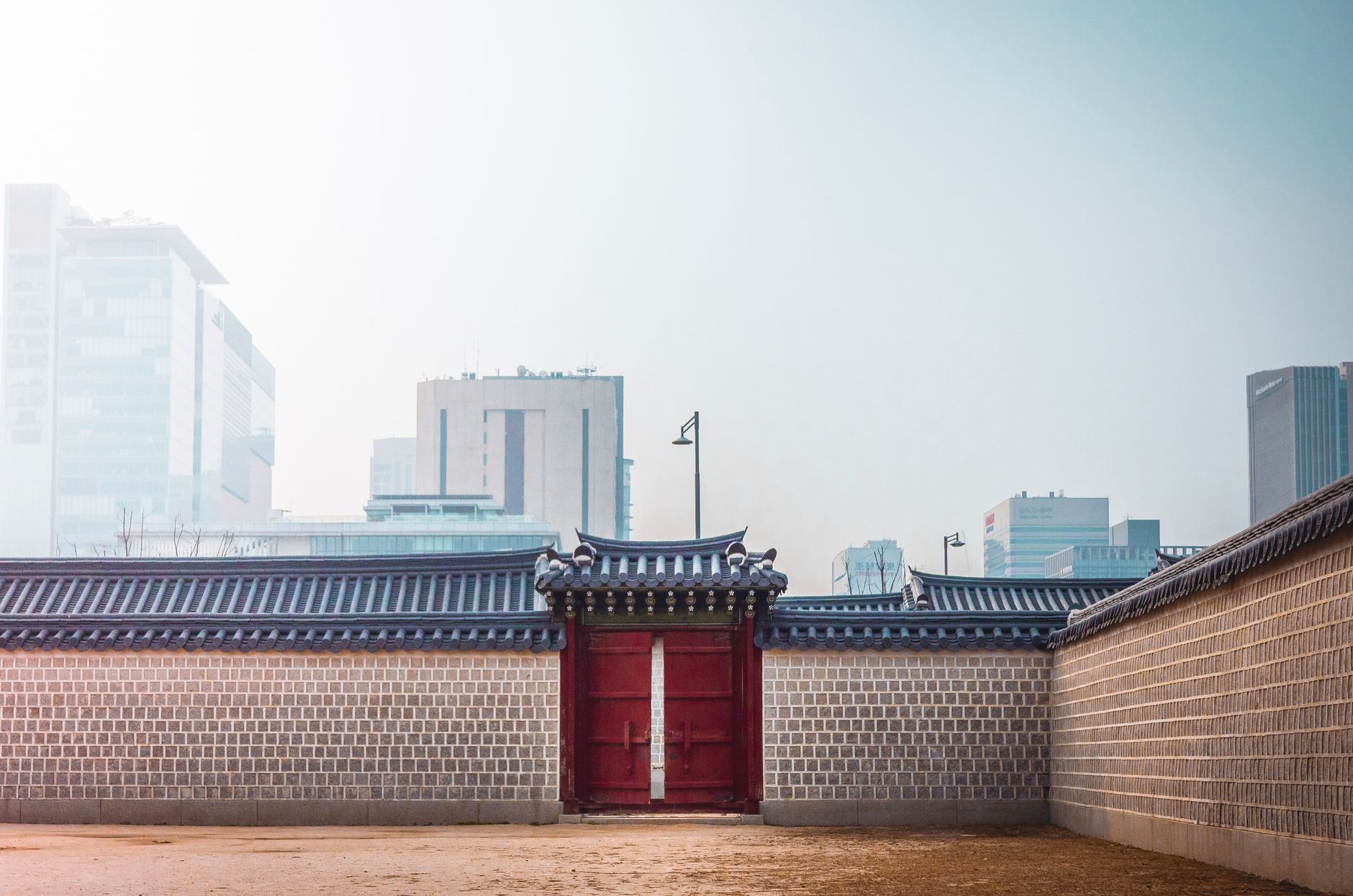
Korean student life tips
Korean visa application guide for students